Surveillance
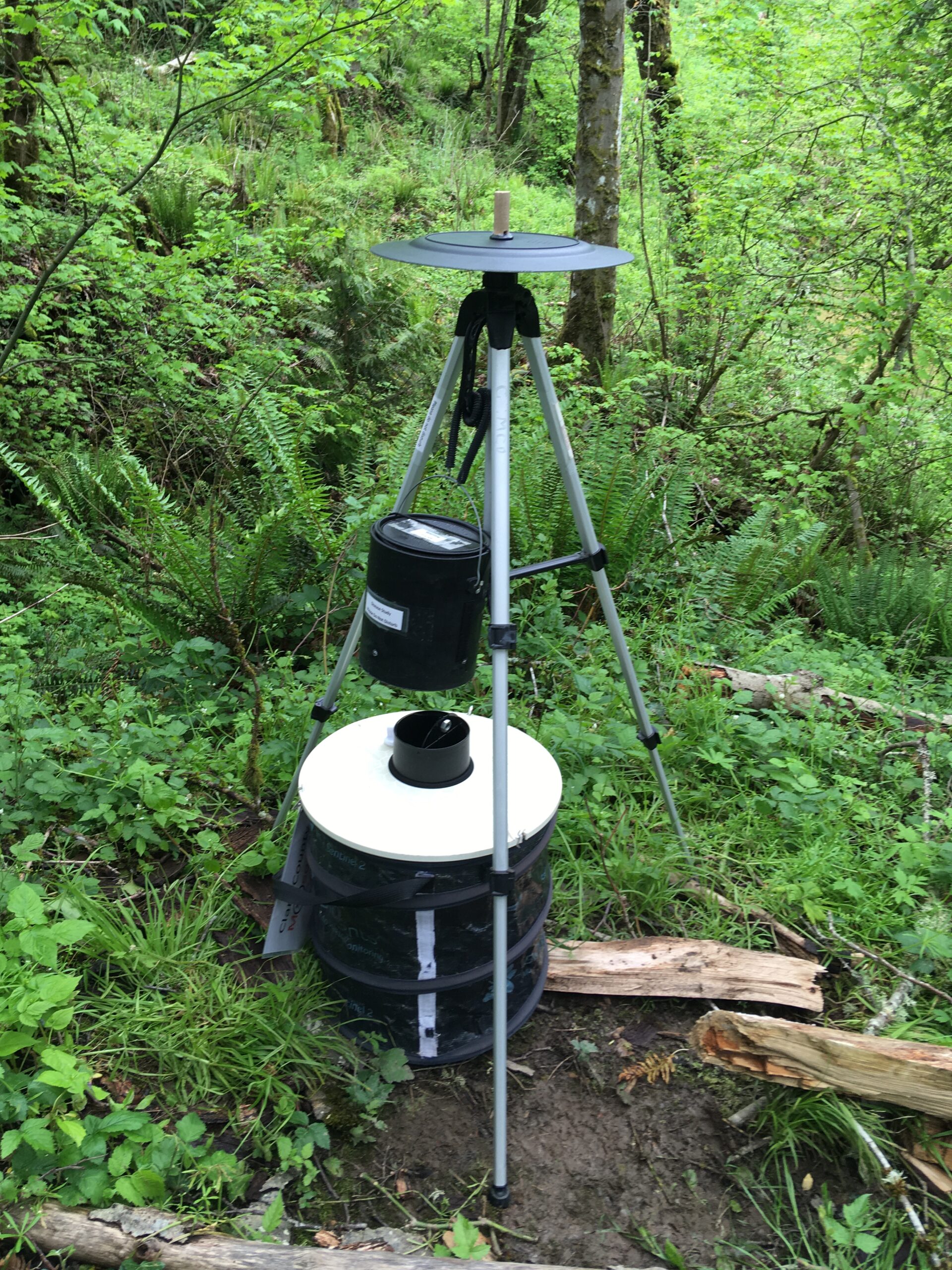
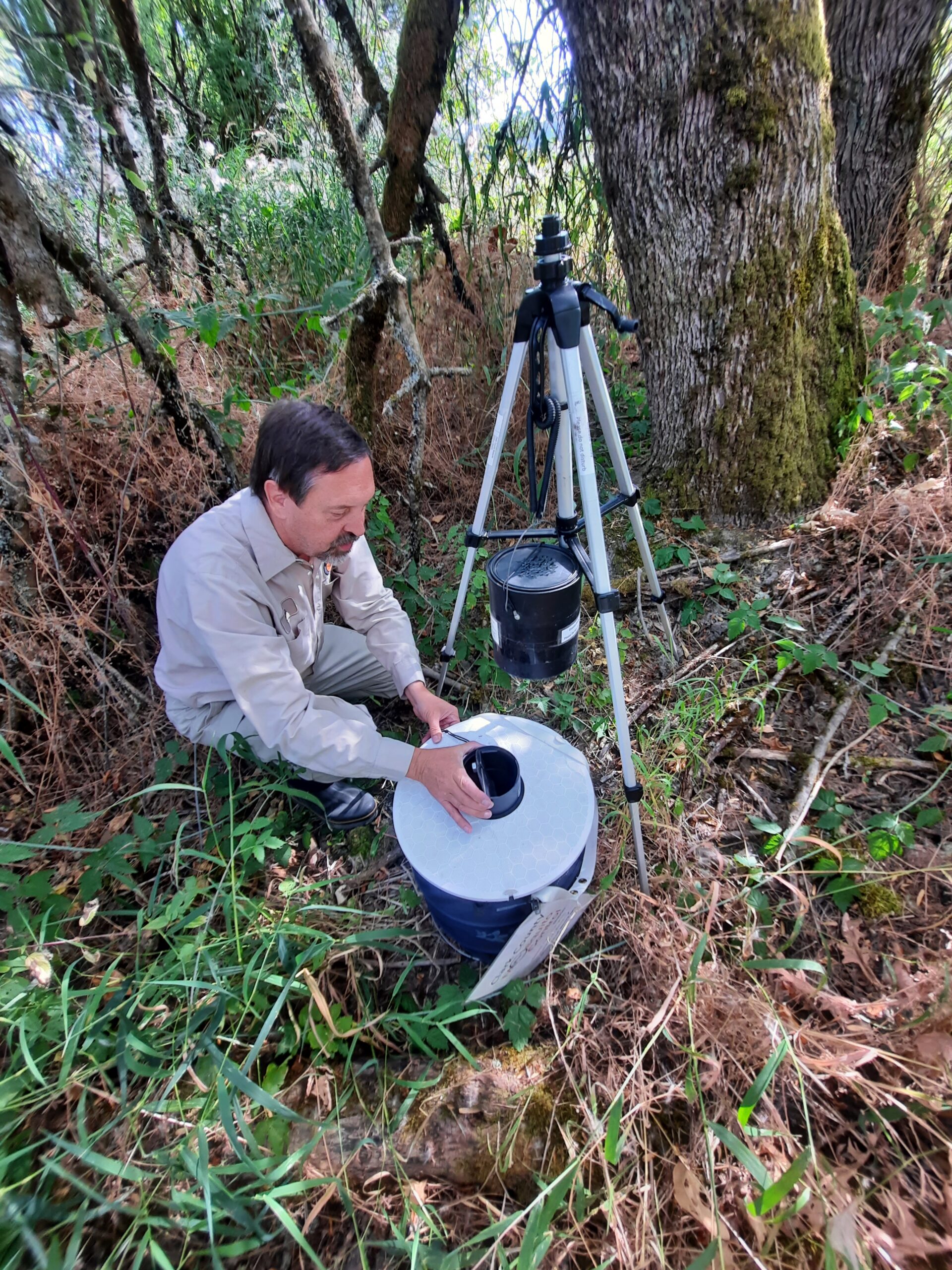
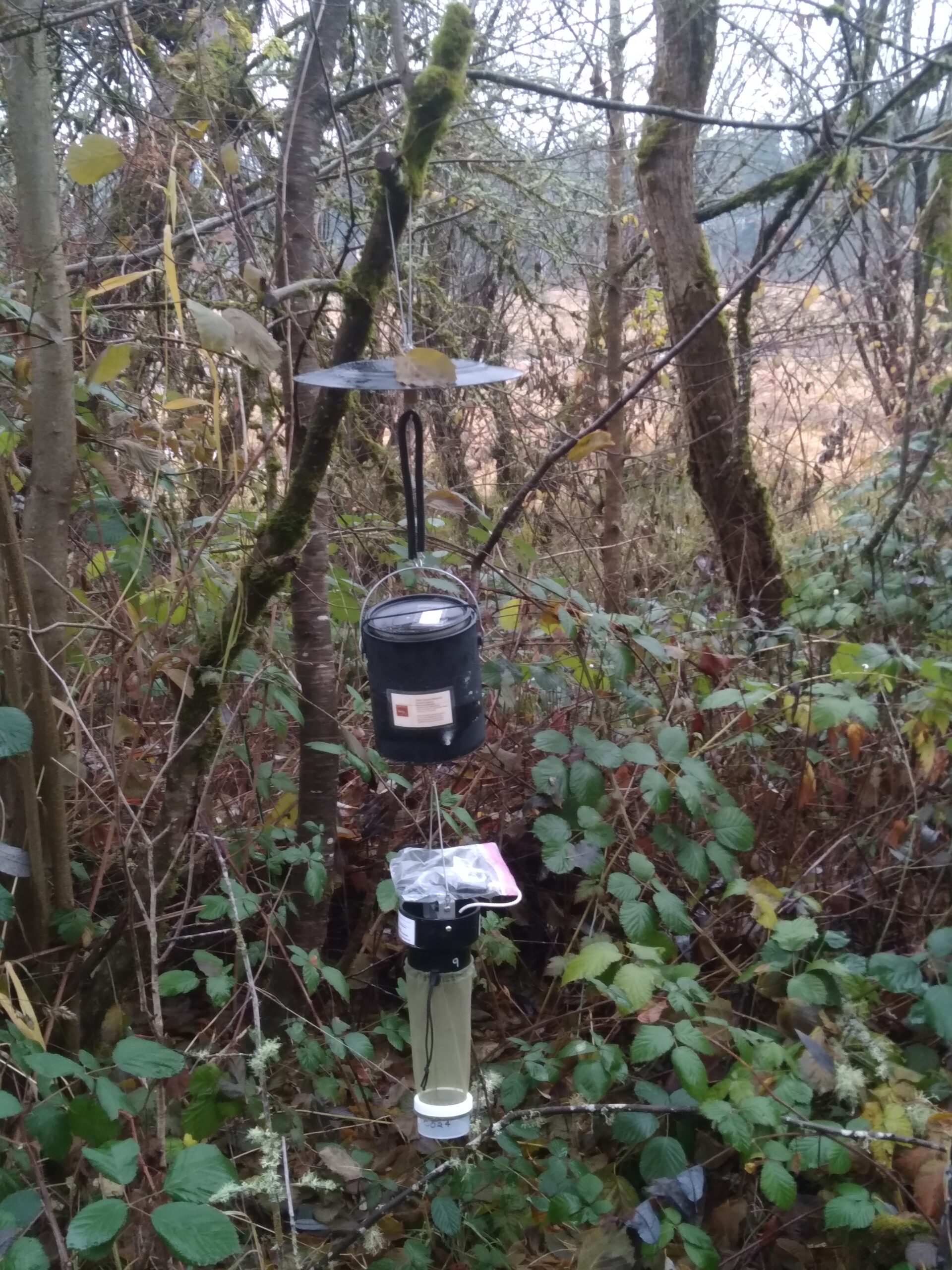
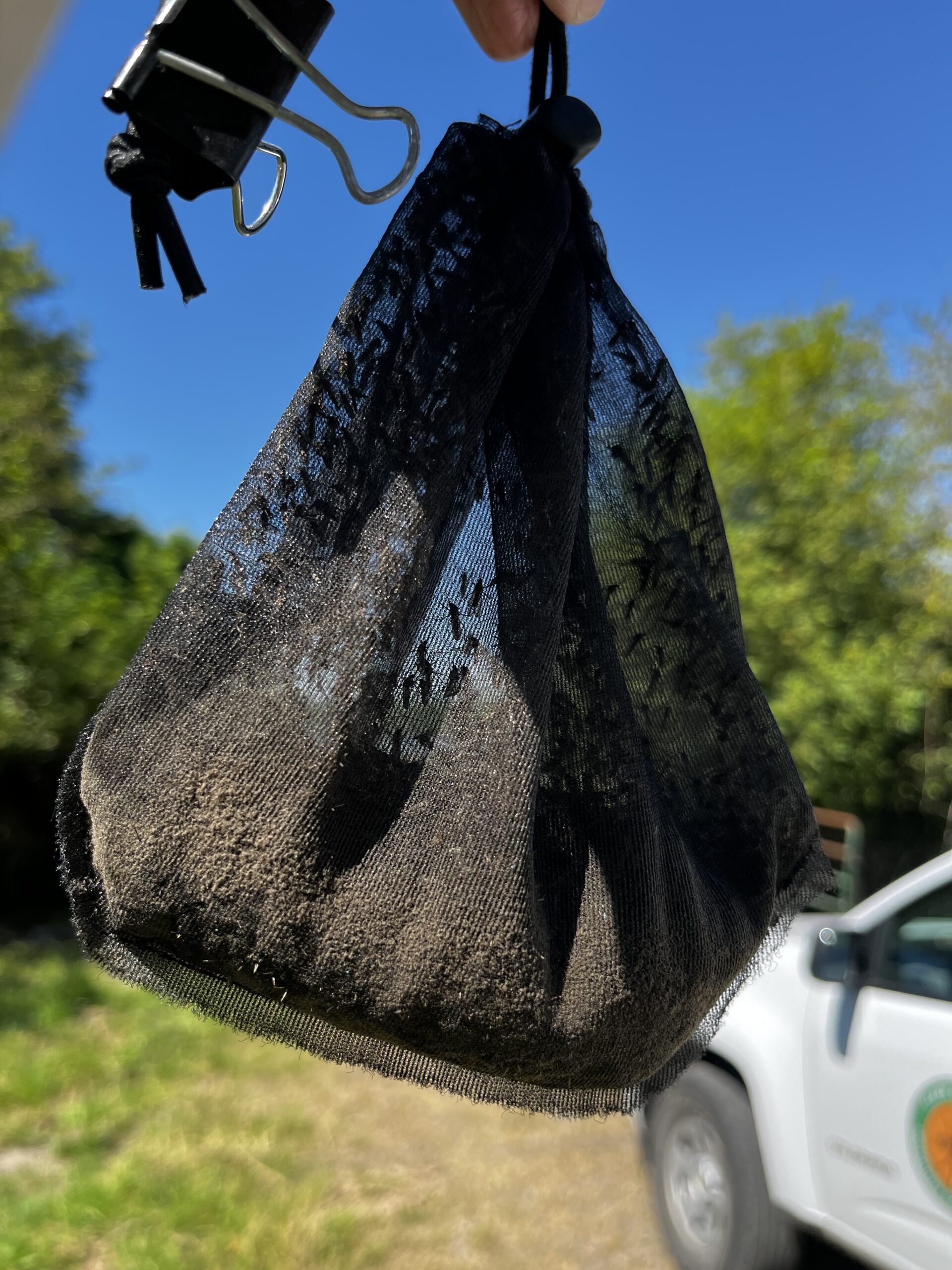
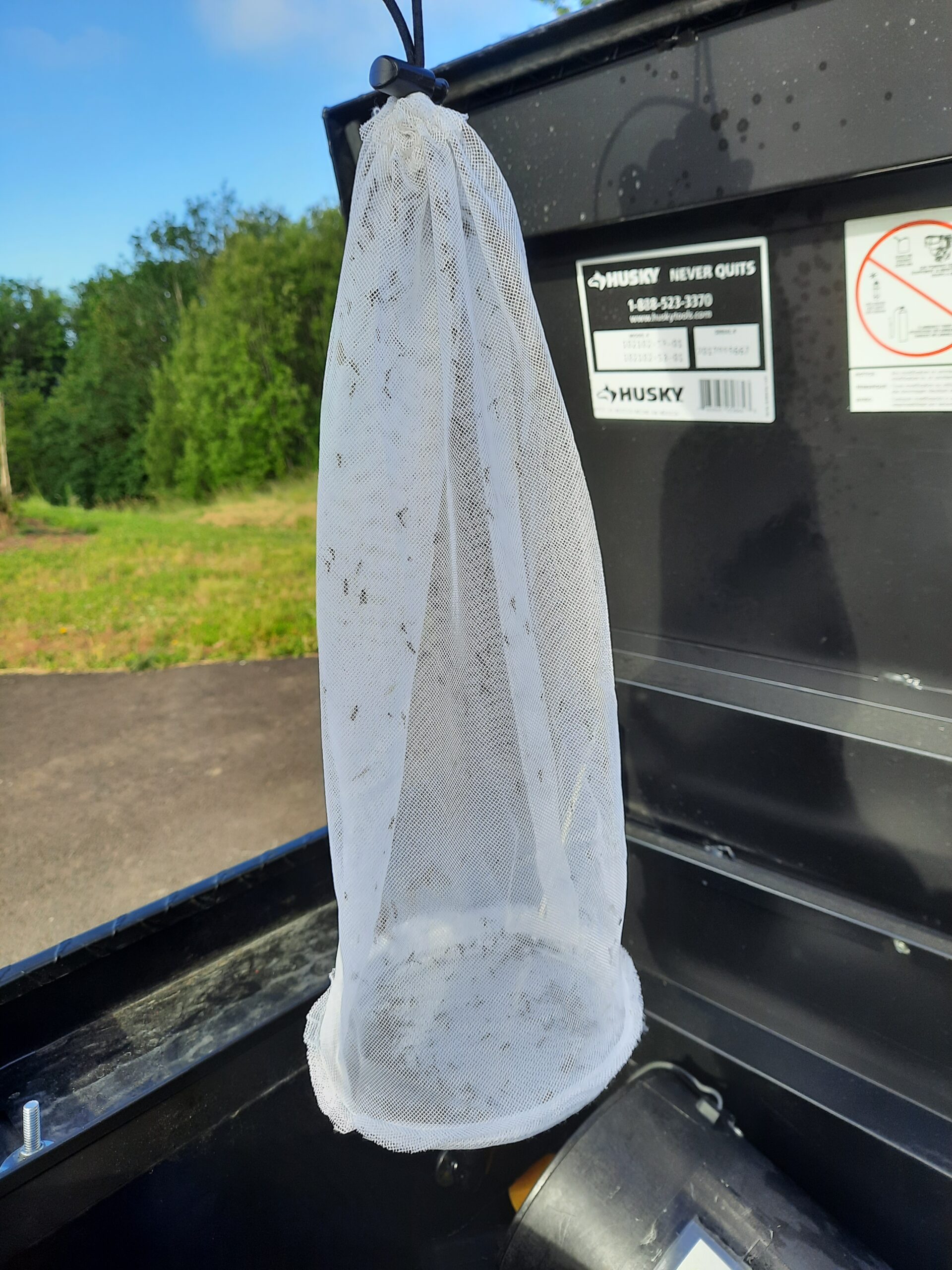
Clark County Mosquito Control District (CCMCD) performs surveillance in areas with known mosquito populations. On weekly scheduled routes (Spring through Fall) survey crew attach catch bags on to each trap for overnight capture of adult mosquitoes. When the public report nuisance mosquitoes a field technician investigates, and surveillance traps may be employed. Currently, CCMCD employs four trap types:
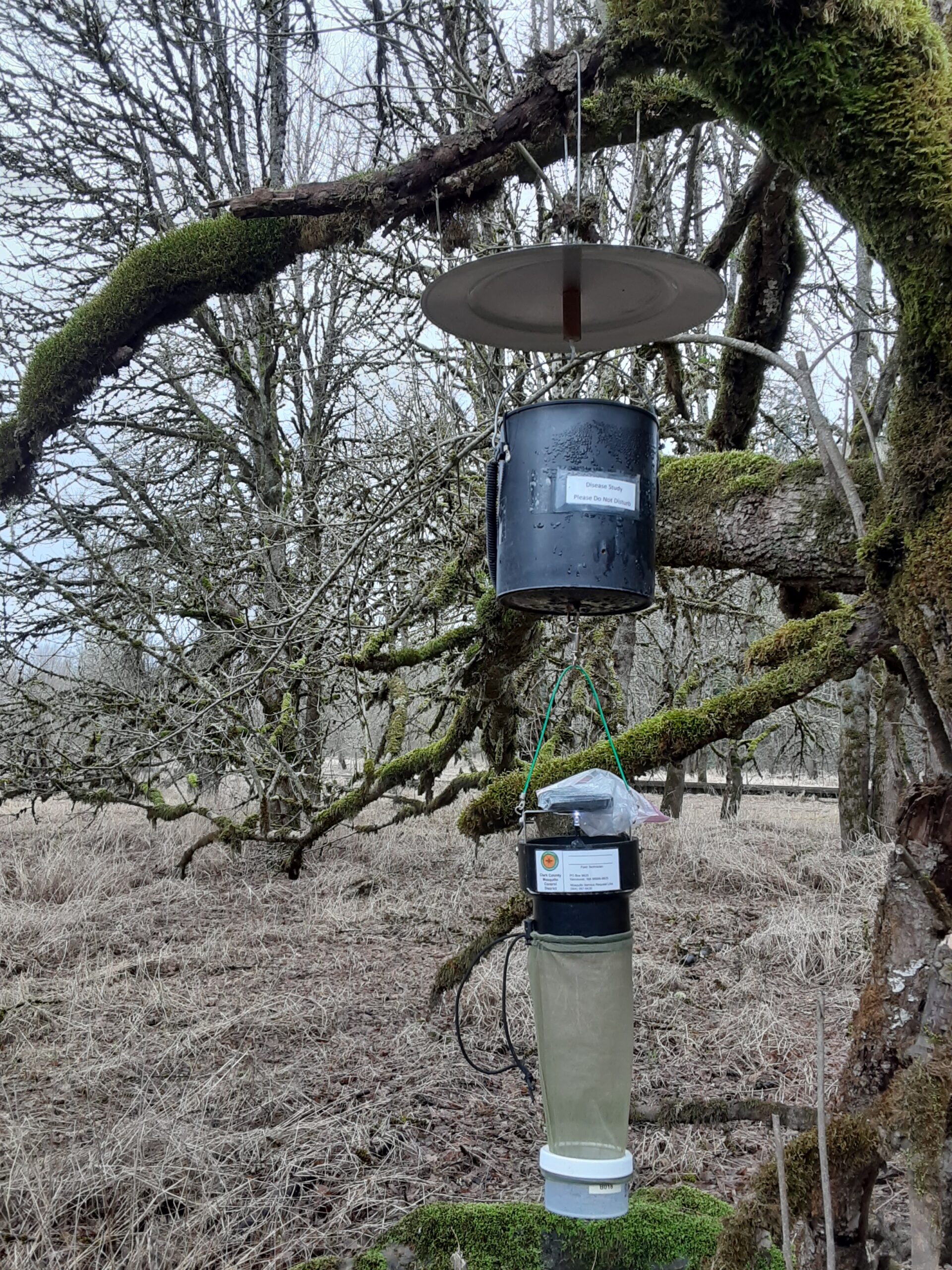
An EVS mosquito trap is typically suspended from a branch or structure and uses carbon dioxide (often from dry ice) to attract host-seeking female mosquitoes. The carbon dioxide stimulates exhaled breath of a living host, which attracts female mosquitoes looking to obtain a blood meal. A small battery-powered fan is used to pull them into a collection bag for later identification and testing. The EVS trap is widely used by mosquito control districts due to being lightweight, portable, cost-effective, and easy to deploy in the field. It was originally developed by the Centers for Disease Control and Prevention (CDC) for arbovirus monitoring programs. It’s effective for collecting a wide range of mosquito species, including species that carry viruses such as West Nile, Eastern Equine Encephalitis, or St. Louis Encephalitis.
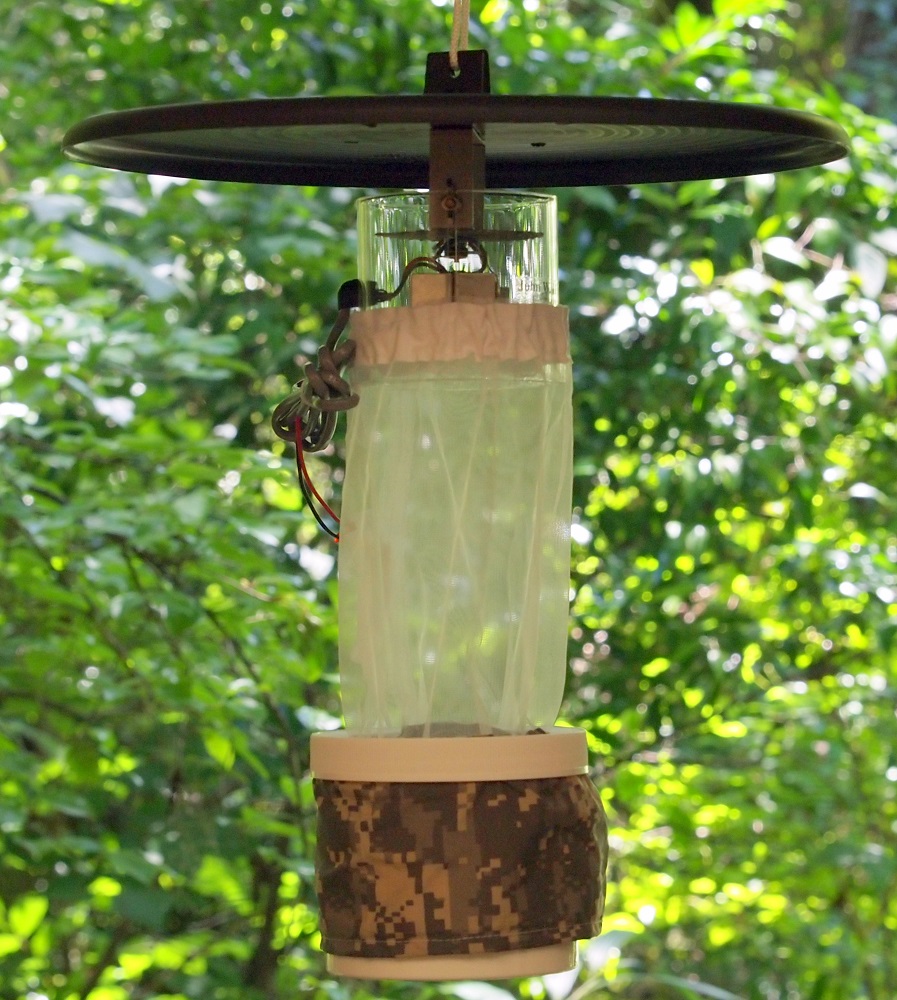
A CDC miniature light trap is a compact, battery-powered device used to collect adult mosquitoes for surveillance and research. It was also developed by the Centers for Disease Control and Prevention and is one of the most widely used tools in mosquito monitoring programs worldwide. Effective for sampling a wide range of nocturnal mosquito species, the trap uses a small incandescent or LED light to attract mosquitoes during nighttime hours. Similar to the EVS trap, many CDC miniature light trap setups also include a carbon dioxide source (often dry ice) to simulate human breath and increase effectiveness. It’s typically suspended above the ground from a branch or structure. As mosquitoes approach the light, a battery-powered fan draws them into a mesh collection bag for later identification and testing.
The BG-Counter is an automated mosquito monitoring device designed to work with BG-series traps for real-time surveillance. It is manufactured by Biogents AG and is commonly paired with the BG-Sentinel trap. The BG-Counter uses optical sensors to detect and count mosquitoes as they are drawn into the trap. By analyzing wing-beat frequency and movement patterns, it distinguishes mosquitoes from other insects and debris, providing more accurate surveillance data. Powered by solar panels, real-time surveillance data is wirelessly transmitted to a cloud-based data management system via cellular network for remote monitoring.
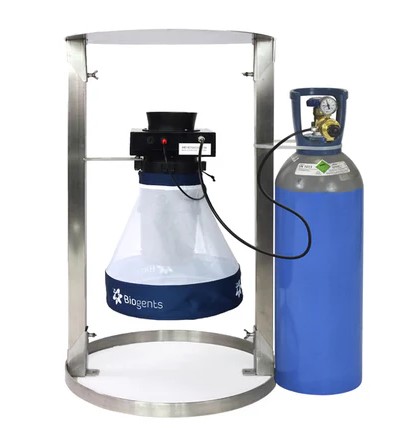
The Biogents BG-Sentinel 2 trap is designed to attract and capture a wide range of mosquito species, especially day-biting mosquitoes that aren’t reliably caught by traditional light traps. The trap’s unique shape and airflow mimic human convection currents, making it especially attractive to container-breeding species such as Aedes mosquitoes. The trap creates a localized plume of attractive cues (odors and air movement) that simulate a human host. Mosquitoes following these cues are drawn toward the trap’s opening and sucked in by the fan into a collection bag for later identification and testing. It’s often paired with BG-Lure attractant cartridges, which emit a blend of human skin odor components to draw mosquitoes in. Other lures, such as carbon dioxide, can also be used to broaden the range of species attracted. The design minimizes the escape of captured mosquitoes, improving sample quality for monitoring efforts.
For additional information on mosquito traps, please check out the CDC’s Mosquito Trap and Surveillance Tools Guide.
Surveillance in Action
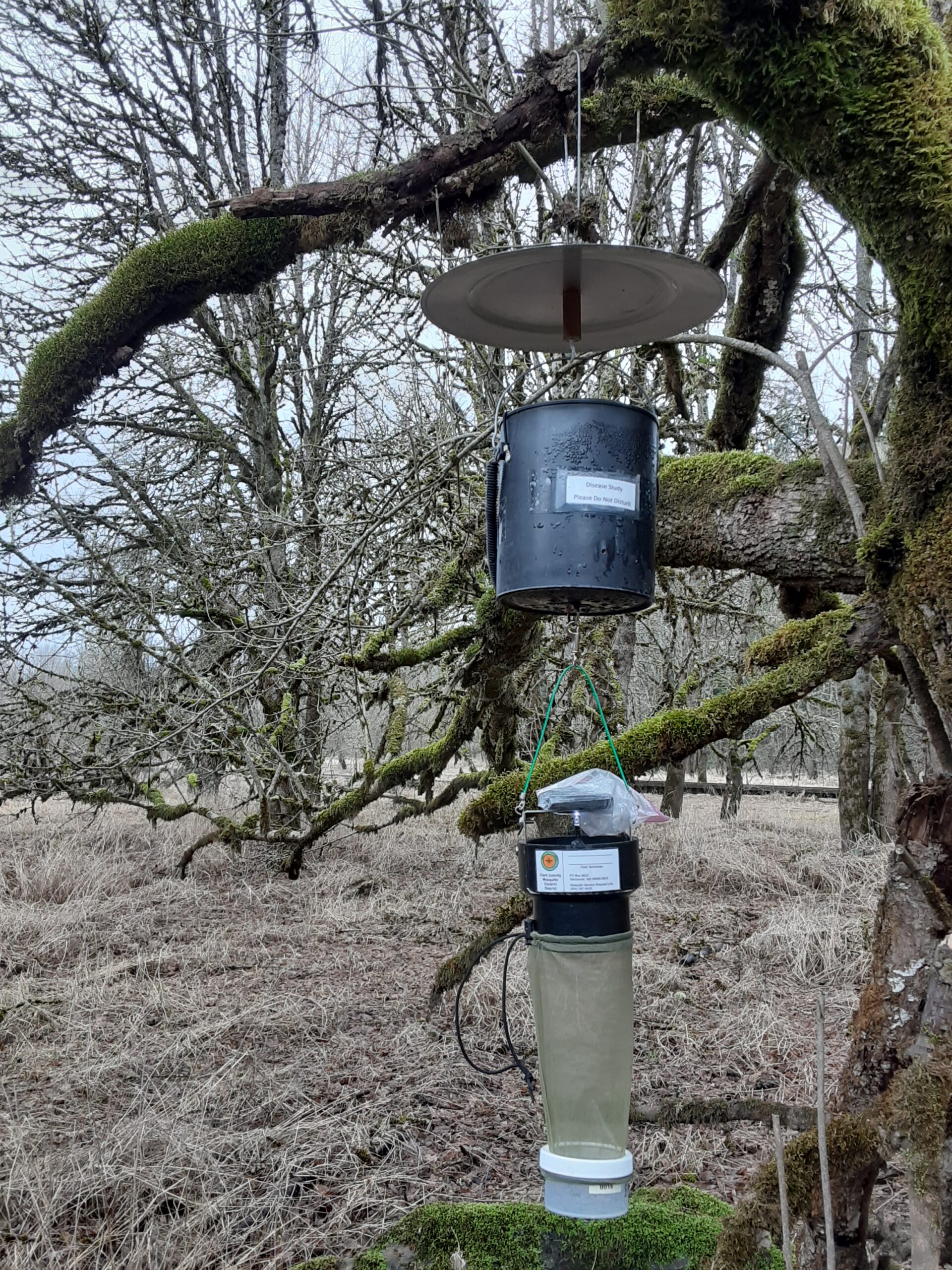
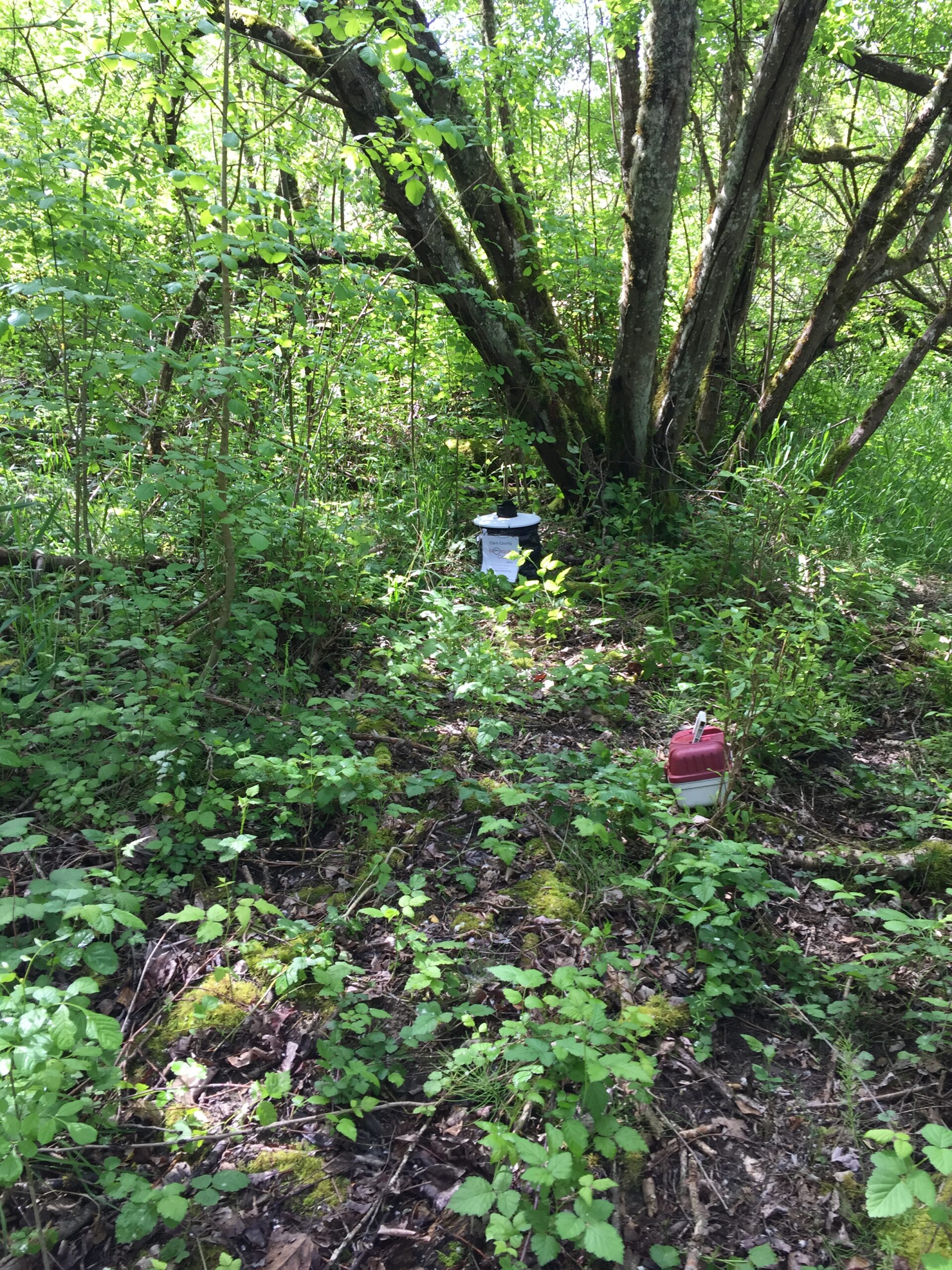
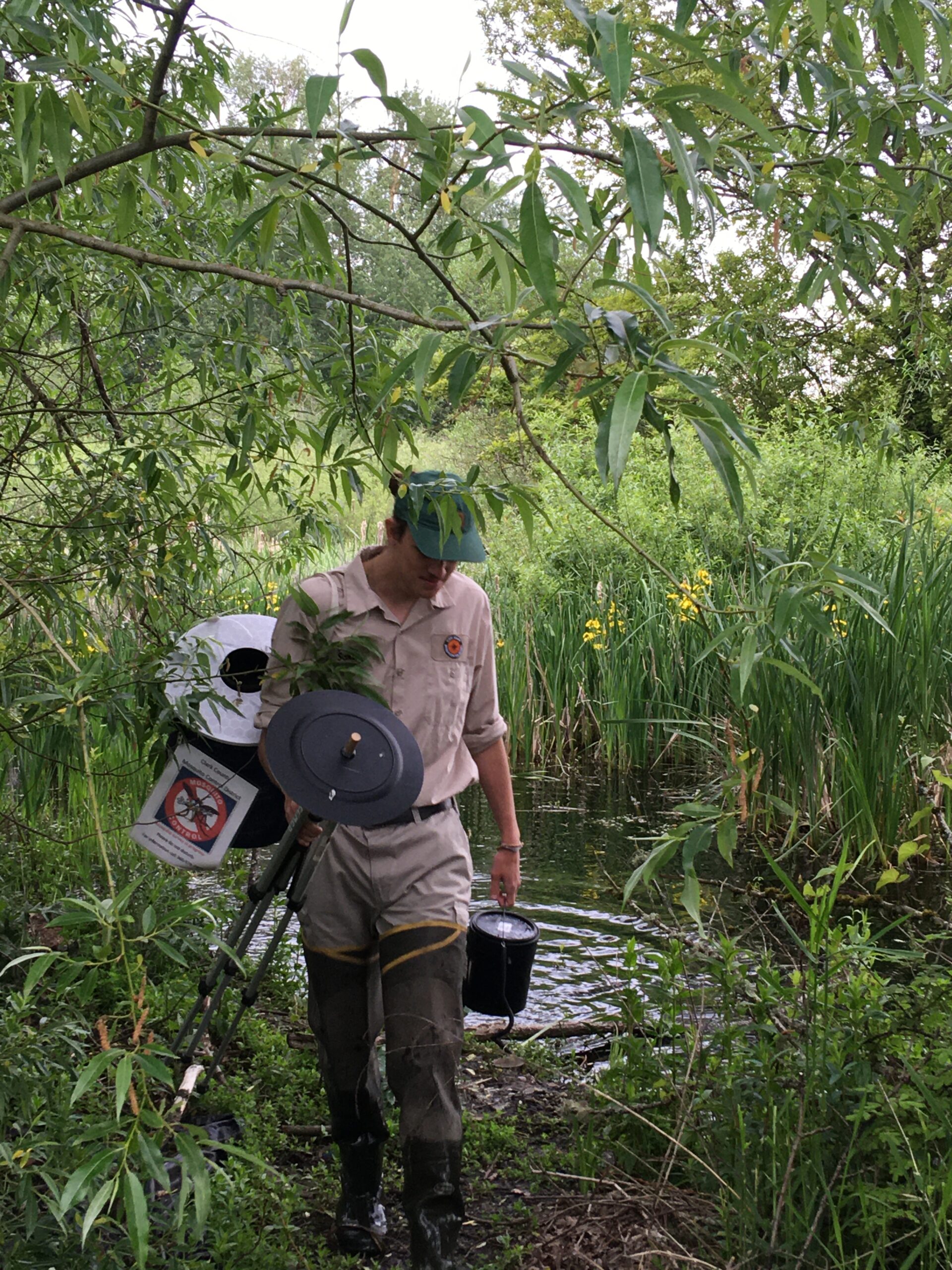
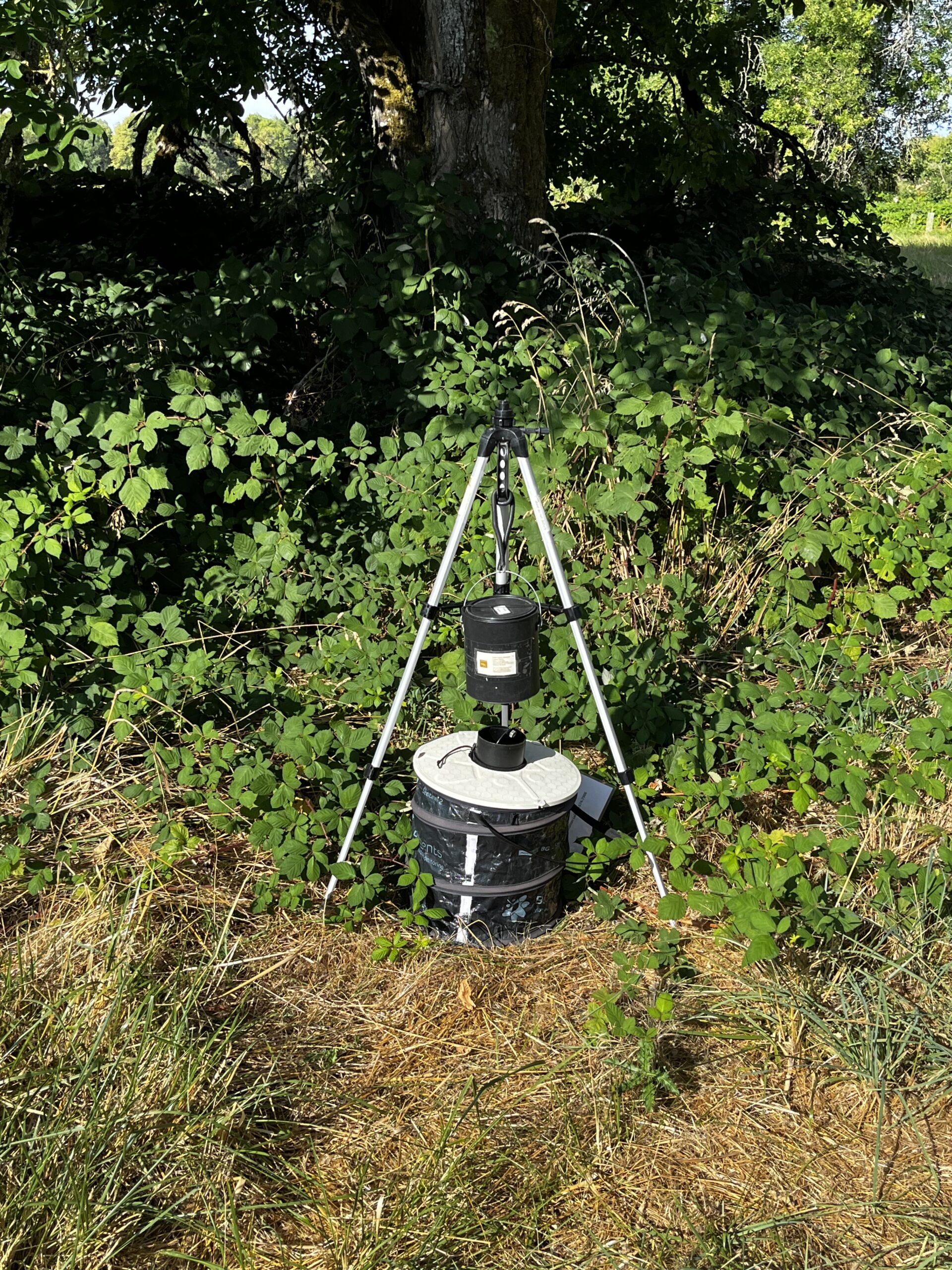
Adult Species Identification
Trapped mosquitoes are counted and identified to the species level in the lab. This helps CCMCD determine population densities, species composition, and habitat sources. This information is used to select the best Integrated Mosquito Management (IMM) options available for each select site.
Larval Species Identification
CCMCD conducts larval sampling to locate breeding habitats, particularly for flood water mosquitoes in early spring. Additionally, catch basins, private properties via service requests, stormwater facilities, wetlands, and wildlife refuges are sampled. Field crews actively scout throughout the spring and summer for mosquito larvae. While time consuming and challenging, this process yields invaluable information. Larvae are identified to the species level when possible, or reared to the adult stage for verification. This allows CCMCD to treat with larvicides during the most effective time frame.
Pesticide Efficacy Testing
Reduced efficacy of a product may require higher application rates in the future, making treatment more costly. Adhering to application rates on the product label is mandatory. If the label prohibits higher rates, a different active ingredient my be required. Early detection of resistance to a pesticide by mosquito species requires constant efficacy testing.
WASurv Report
The Washington State DOH utilizes a program, WASurv, to record mosquito surveillance and disease testing results on a standardized national website. The CCMCD lab submits surveillance and disease testing data onto the website on a daily to weekly basis. This allows CCMCD, state, and national stakeholders to access and analyze data and monitor trends in near-real time. Citizens can view the surveillance and disease testing data at the state level on the West Nile Virus Data page or Zoonotic and Vector-Borne Disease Dashboard page of the Washington State DOH website.
West Nile Virus (WNv)
When female Culex mosquitoes (Cx. pipiens and Cx. tarsalis) are identified, they are set aside for West Nile virus (WNv) testing. CCMCD currently utilizes Rapid Analyte Measurement Platform (RAMP) and Polymerase Chain Reaction (PCR) to test Culex mosquito pools. PCR and RAMP has allowed WNv testing to be conducted in-house. PCR testing was introduced in 2026 to increase the reliability of WNv testing as PCR is considered the gold standard of virus testing. PCR also allows CCMCD to test for St. Louis Encephalitis (SLEv) and Western Equine Encephalitis (WEEv) at no additional cost.
In accordance with the Washington State Department of Health (DOH) algorithm, all 985 RAMP tests conducted in 2025 by CCMCD have been determined to be negative for WNv.
Pool Type | Positive Pools |
Mosquito Sample | 0 |
Human | 0 |
Equine | 0 |
Bird | 0 |
This table shows cases of West Nile virus reported in Clark County, WA.
Last Updated: 3/4/2026
